GENERAL, LAPAROSCOPIC, LASER SURGEON (HERNIA REPAIRS, BREAST DISORDERS, APPENDECTOMY, GALL BLADDER STONES, VARICOSE VEINS, PILES, FISSURES, FISTULA, DIABETIC FOOT ULCERS, HYDROCELE, LIPOMA, ABSCESSES AND SEBACEOUS CYST SURGERIES)

Anorectal Surgeries





Common Procedures
Anorectal surgeries are specialized procedures treating diseases of the anus, rectum, and colon, including piles (hemorrhoids), fissures, fistulas, pilonidal sinus, and prolapse.
Hemorrhoidectomy/Stapled Hemorrhoidopexy (PPH): Surgical removal or repositioning of hemorrhoids, with stapling offering faster recovery.
Fistulotomy/Fistulectomy: Opening or removing a fistula tract (abnormal tunnel) to promote healing.
Lateral Internal Sphincterotomy: A small cut in the sphincter muscle to heal chronic anal fissures.
Abscess Drainage: Incision and drainage of pus, often to prevent future fistula formation.
Anoplasty: Reconstructive surgery for the anal area.
Pilonidal Cyst Excision: Removal of a pilonidal sinus or cyst.
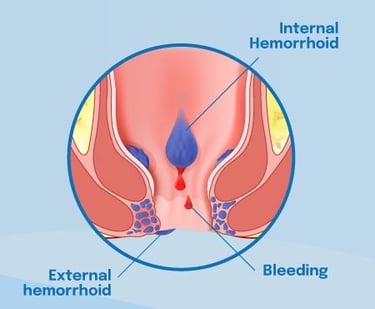
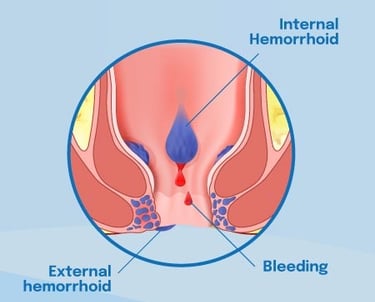
Piles(Hemorrhoids)
Hemorrhoids, or piles, are swollen blood vessels in the rectum or anus caused by increased pressure from straining, constipation, pregnancy, or aging.
Hemorrhoid surgery (hemorrhoidectomy) removes severe, persistent internal or external hemorrhoids, usually as an outpatient procedure using general or local anesthesia.
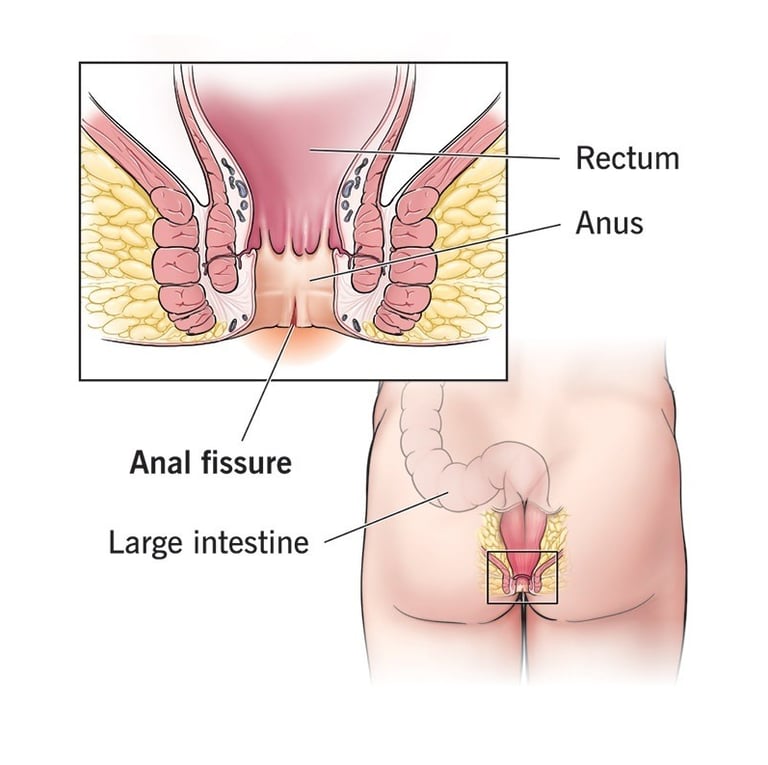
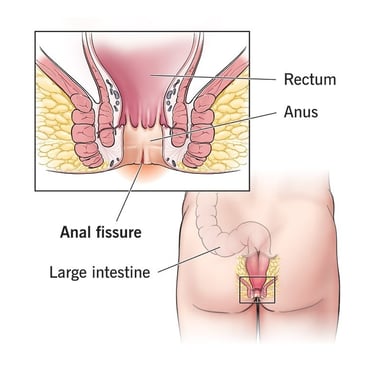
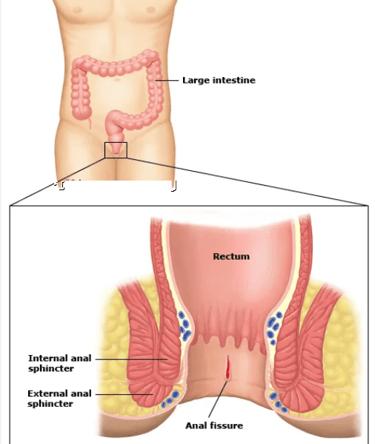
Fissures
Anal fissures are small, painful tears or cracks in the lining of the anal canal, often caused by passing hard, large stools, chronic constipation, or childbirth.
Anal fissure surgery, typically a Lateral Internal Sphincterotomy (LIS), is a highly effective procedure (95% success rate) for treating chronic, non-healing anal tears by cutting a small portion of the internal sphincter muscle. It reduces muscle spasms, increases blood flow, and promotes healing.
Fistula
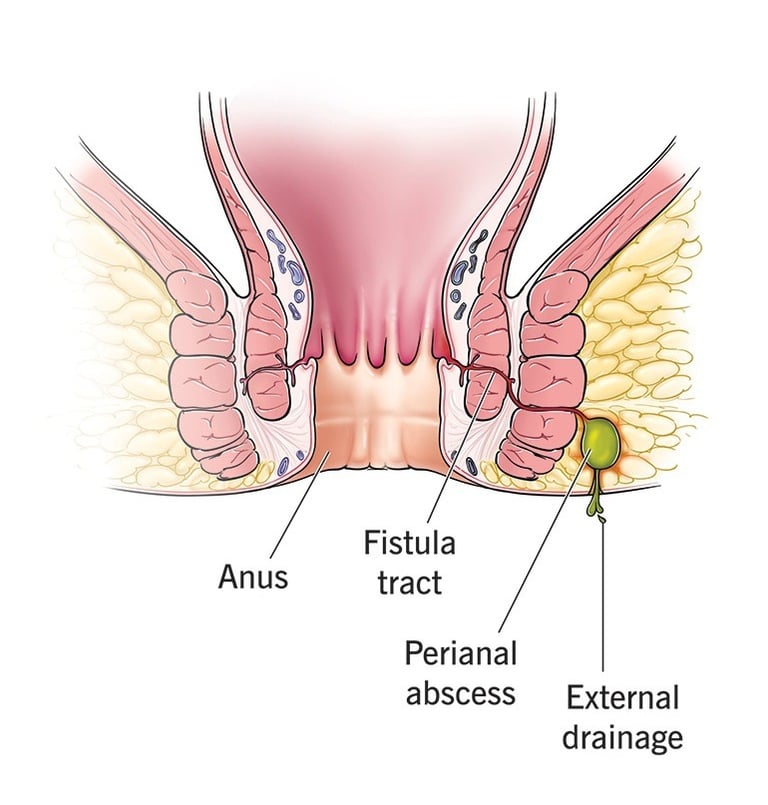
Fistula is an abnormal, tunnel-like connection between two organs, vessels, or tissues (often the bowel and skin) caused by infection, inflammation (e.g., Crohn's), surgery, or injury. Symptoms include persistent pain, swelling, fever, and pus or fecal drainage. Treatment usually requires surgery to close the tract, with risks including infection.
Fistula surgery, commonly a fistulotomy, involves cutting open and draining an anal fistula to allow it to heal from the inside out, boasting a 95% success rate for simple cases.
Pilonidal sinus
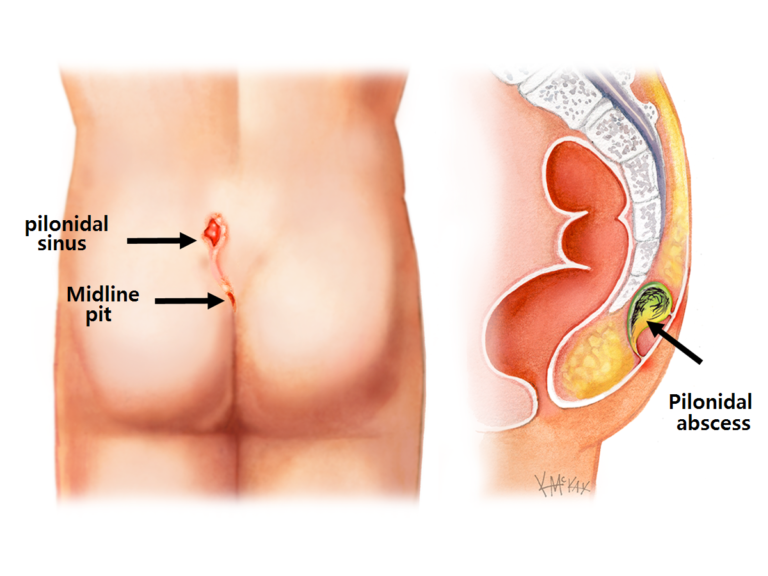
A pilonidal sinus is a chronic, painful infection/tunnel (sinus) that develops in the skin at the top of the buttocks, typically caused by hair penetrating the skin, often triggered by sitting for long periods, obesity, and excessive hair. Symptoms include a painful lump, drainage, and redness.
Pilonidal sinus surgery involves removing a chronic, infected, or painful cyst/tunnel (sinus) near the tailbone, typically under general anesthesia in a 30–40 minute day-case procedure. Options range from open excision (healing by secondary intention) to minimally invasive techniques like EPSIT or flap repairs (e.g., Karydakis) to lower recurrence rates.
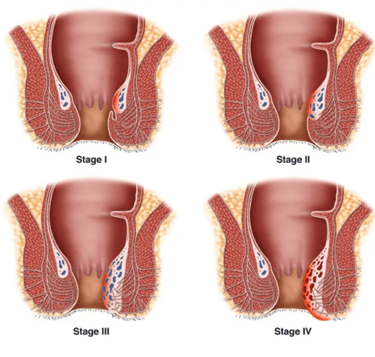
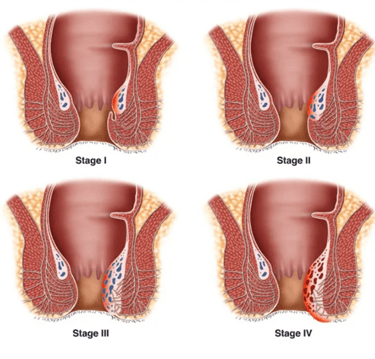
Grades of Hemorrhoids
Internal hemorrhoids are classified into four grades based on their severity and degree of prolapse (protrusion) from the anal canal.
Grade I: No prolapse; bleeding may occur.
Grade II: Prolapse during bowel movements but retract automatically.
Grade III: Prolapse and require manual repositioning.
Grade IV: Permanently prolapsed, irreducible.
Untreated hemorrhoids can lead to severe pain, chronic bleeding, and complications requiring urgent intervention, such as thrombosed hemorrhoids (blood clots), strangled hemorrhoids (loss of blood flow), and iron-deficiency anemia from chronic blood loss. Other issues include skin tags, infection, and significant, long-term impact on quality of life.
Untreated anal fissures can lead to severe chronic pain, persistent spasms, and the formation of serious, long-term complications like anal stenosis (narrowing), abscesses, or anal fistulas (a tunnel connecting the anal canal to the skin). Other complications include chronic constipation, severe bleeding, and significant psychological distress.
Untreated anal fistula surgery or refusing treatment results in persistent, worsening infection, chronic pain, and potential sepsis (a life-threatening infection). Left unchecked, simple tracts become complex, causing recurring abscesses, fecal incontinence, and a rare risk of anal cancer. Immediate, professional treatment is necessary.
Untreated pilonidal sinus disease leads to chronic infection, severe pain, abscess formation, and the development of multiple, complex sinus tracts (fistulas). Long-term, neglected cases can cause recurrent infection, sepsis, and rare, severe complications like squamous cell carcinoma. Surgical intervention is generally required to prevent these complications.
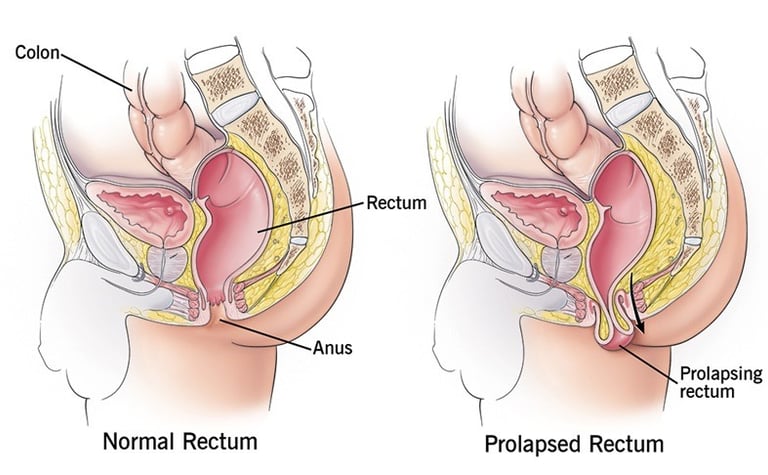
Prolapse
Pelvic organ prolapse (POP) occurs when pelvic muscles weaken, causing organs like the bladder, uterus, or rectum to sag into the vagina, creating a sensation of pressure, heaviness, or a visible bulge. Common causes include vaginal childbirth, aging, menopause, chronic constipation, and heavy lifting. Treatments range from pelvic floor exercises and pessaries to surgery.
Prolapse surgery (pelvic organ repair) addresses weakened pelvic floor muscles by lifting organs (bladder, uterus, rectum) back into place, often using minimally invasive vaginal, laparoscopic, or robotic techniques, with 80-90% of women seeing improved symptoms.