GENERAL, LAPAROSCOPIC, LASER SURGEON (HERNIA REPAIRS, BREAST DISORDERS, APPENDECTOMY, GALL BLADDER STONES, VARICOSE VEINS, PILES, FISSURES, FISTULA, DIABETIC FOOT ULCERS, HYDROCELE, LIPOMA, ABSCESSES AND SEBACEOUS CYST SURGERIES)
Vascular Surgeries



Common Procedures
Varicose Veins, Peripheral Vascular Diseases, Gangrene Toes, Diabetic Foot, Amputations.
Vascular surgery is a surgical subspecialty focused on diagnosing and treating diseases of the vascular system arteries, veins, and lymphatic vessels excluding the heart and intracranial vessels.
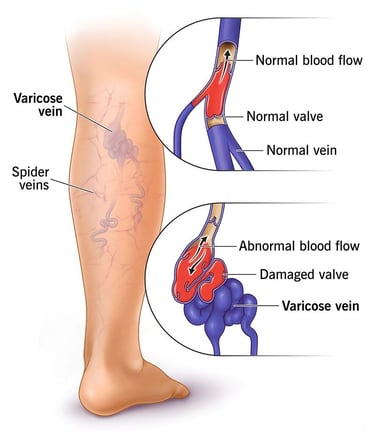
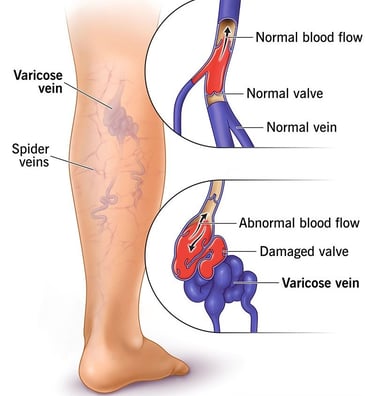
Varicose Veins
Varicose veins are swollen, twisted veins, typically in the legs, caused by weak or damaged vein walls and valves that allow blood to pool rather than flow to the heart. They appear as blue/purple, bulging cords. Risk factors include aging, pregnancy, obesity, and long-term standing. Symptoms include aching, heavy legs, itching, and swelling.
Varicose vein surgery treats swollen, painful veins by removing or sealing them to improve circulation and reduce discomfort. Modern treatments are often minimally invasive, using heat (laser/radiofrequency) to seal veins (ablation) or, in traditional cases, ligation and stripping to remove them. Most procedures are outpatient, allowing for a quick return to daily activities
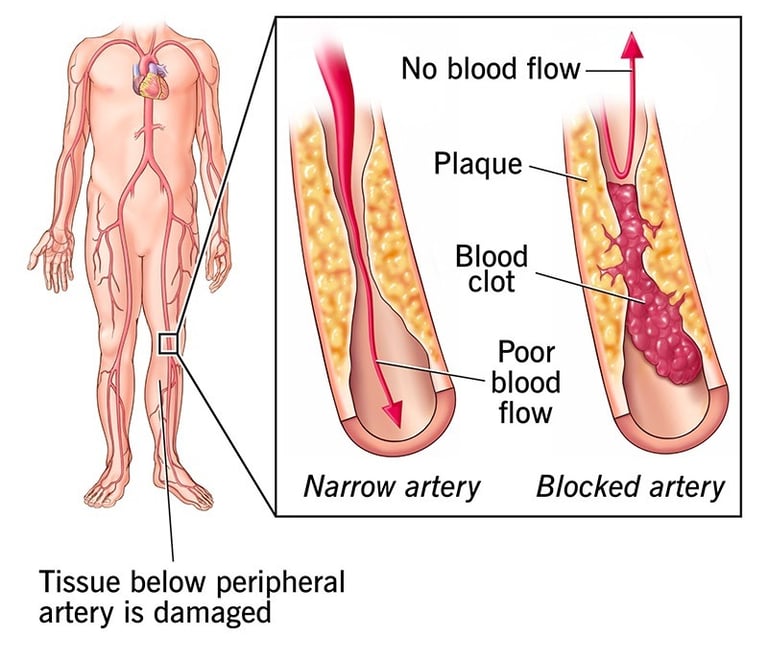
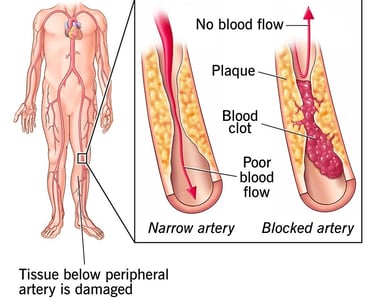
Peripheral Vascular Disease
Peripheral vascular disease (PVD) is a slow-progressing circulation disorder where blood vessels outside the heart—usually in the legs—narrow or become blocked due to atherosclerosis (plaque buildup), restricting blood flow. It causes leg pain, cramping (claudication), numbness, and non-healing wounds. Treatment includes lifestyle changes, medications, or surgery.
Peripheral Vascular Disease (PVD) surgery aims to restore blood flow to limbs using minimally invasive endovascular techniques (angioplasty, stenting, atherectomy) or open surgery (bypass grafting, endarterectomy). These procedures treat narrowed or blocked arteries to relieve symptoms, improve mobility, and prevent tissue loss, with recovery often taking several weeks.
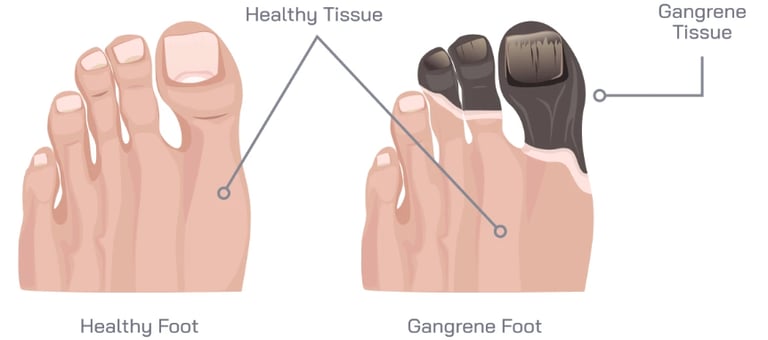
Gangrene Toes
Gangrene of the toe is a medical emergency caused by tissue death due to lack of blood flow or serious infection, appearing as black, purple, or discolored, cold, and numb skin, often with foul-smelling discharge or blisters. It requires immediate hospital treatment including antibiotics, revascularization, or surgery (debridement/amputation) to stop the spread of infection.
Gangrene toe surgery removes dead tissue (debridement) or amputates affected toes to stop the infection from spreading, often caused by diabetes or poor circulation. Procedures include surgical debridement, amputation of toes/feet, vascular surgery to restore blood flow (bypass/angioplasty), and hyperbaric oxygen therapy.
Untreated varicose veins can progress to serious, long-term health issues beyond cosmetic concerns, including chronic venous insufficiency, painful skin ulcers, blood clots (deep vein thrombosis/DVT), and, rarely, pulmonary embolism. Common complications include chronic pain, swelling, skin discoloration, bleeding from fragile skin, and infection.
Untreated peripheral vascular disease (PVD), specifically peripheral artery disease (PAD), leads to severely restricted blood flow, resulting in critical limb ischemia, non-healing ulcers, gangrene, and high amputation risk. It also significantly increases the risk of life-threatening cardiovascular events, including heart attacks, strokes, and death.
Untreated toe gangrene is a medical emergency that rapidly leads to severe, life-threatening complications, including sepsis, widespread tissue death, and mortality. Immediate surgical intervention—usually debridement (tissue removal) or amputation—is necessary to stop the spread of infection, especially in diabetics with high-risk conditions.
Diabetic Foot
A diabetic foot is a serious complication of diabetes caused by high blood sugar damaging nerves (neuropathy) and narrowing blood vessels, which reduces circulation. This combination leads to a loss of feeling and poor wound healing, allowing minor cuts or blisters to turn into serious infections and ulcers (sores), which can lead to amputation if not managed properly.
Diabetic foot surgery aims to treat severe complications like infections, deep ulcers, and Charcot neuroarthropathy to prevent amputation, relieve pain, and improve mobility. Common procedures include debridement (removing dead tissue), vascular surgery to improve blood flow, and correcting deformities.
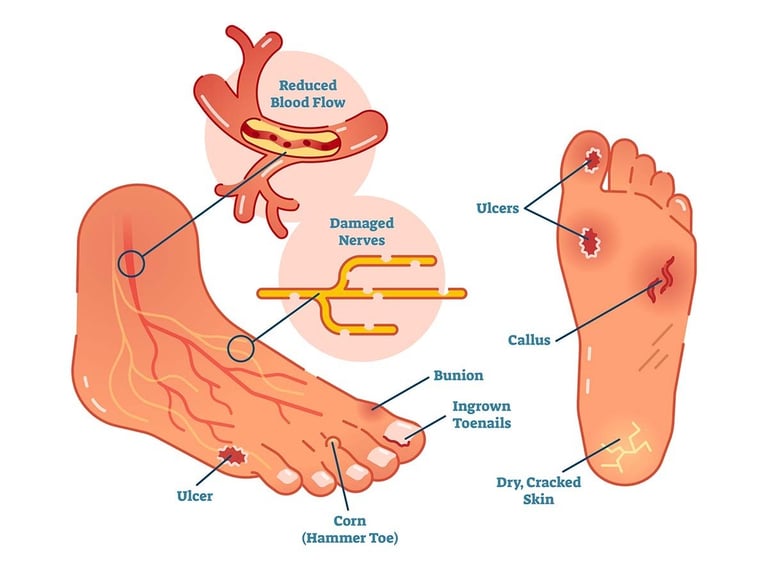
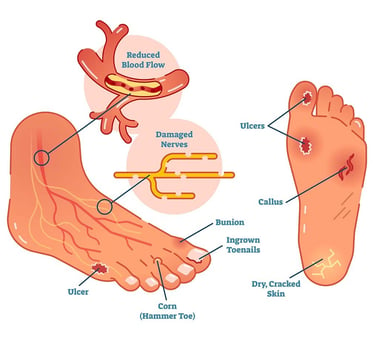
Untreated complications following diabetic foot surgery often lead to severe outcomes, including chronic non-healing ulcers, deep infections, gangrene, and high rates of amputation. Due to neuropathy and poor vascular flow, minor issues can rapidly escalate, requiring urgent intervention to avoid systemic sepsis or fatal infections.
Amputations
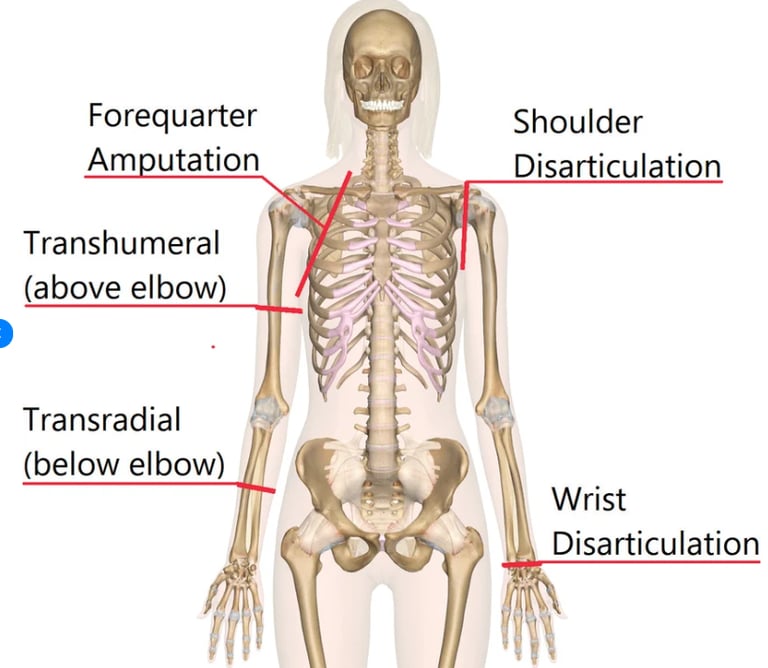
Amputation is the surgical or traumatic removal of a limb or body part, often performed to save a patient's life by treating severe infection, cancer, or uncontrollable tissue damage. It involves removing diseased tissue, shaping the remaining stump for a prosthesis, and requires extensive rehabilitation.
Amputation surgery is the surgical removal of a limb or extremity (arm, leg, finger, or toe) to treat severe injury, infection, chronic pain, or disease (such as cancer or gangrene) when no other treatment options remain. The procedure involves removing damaged tissue, preserving healthy tissue, smoothing bone, and shaping the stump for potential prosthesis fitting.
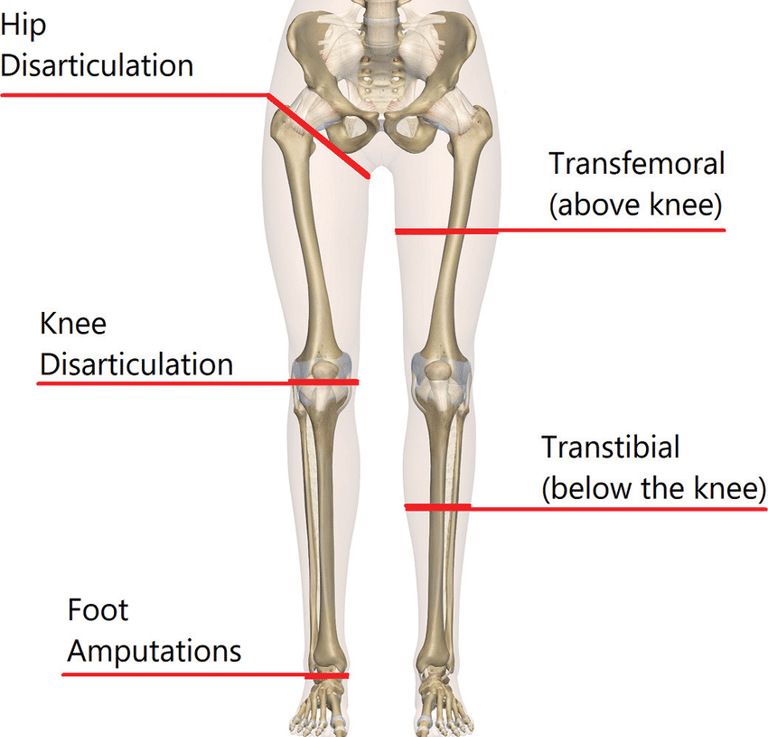
If a necessary amputation is not performed, the most severe consequences are widespread, life-threatening infection (sepsis) and tissue death (gangrene) that can lead to death. Other major complications include unbearable pain, severe vascular issues, accelerated deterioration of overall health, and potential amputation of a higher, more extensive level later.