GENERAL, LAPAROSCOPIC, LASER SURGEON (HERNIA REPAIRS, BREAST DISORDERS, APPENDECTOMY, GALL BLADDER STONES, VARICOSE VEINS, PILES, FISSURES, FISTULA, DIABETIC FOOT ULCERS, HYDROCELE, LIPOMA, ABSCESSES AND SEBACEOUS CYST SURGERIES)

Breast Surgeries



Common Procedures
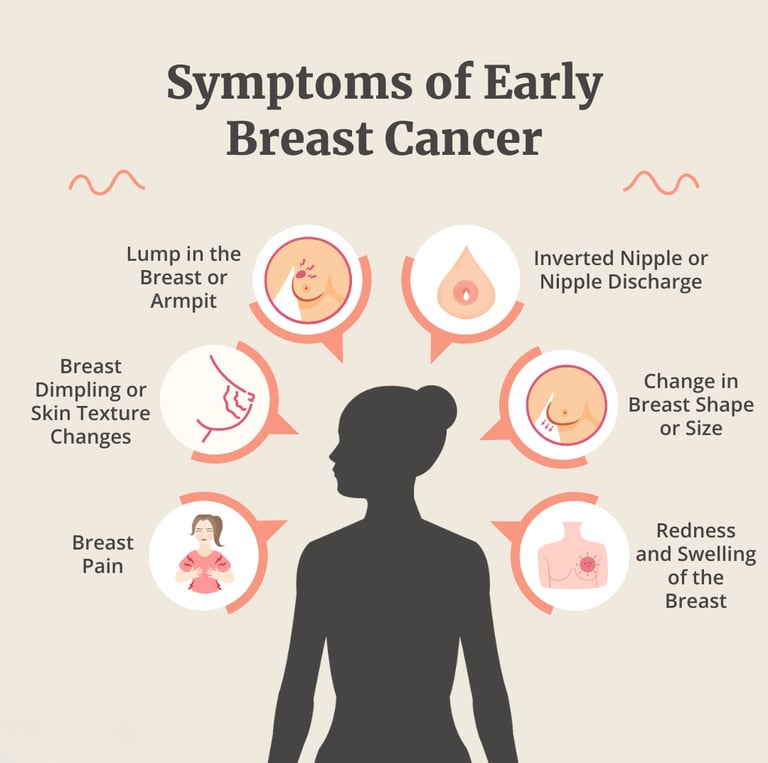
Breast diseases are common conditions affecting breast tissue, ranging from benign (non-cancerous) to malignant (cancerous). Common types include fibrocystic changes, cysts, fibroadenomas, and mastitis. Symptoms include lumps, pain, nipple discharge, or skin changes. While many are benign, any new, persistent, or changing lump should be evaluated by a healthcare professional.
Procedures includes Excision biopsy, Trucut biopsy, Drainage of abscess, Simple and modified radical mastectomy.
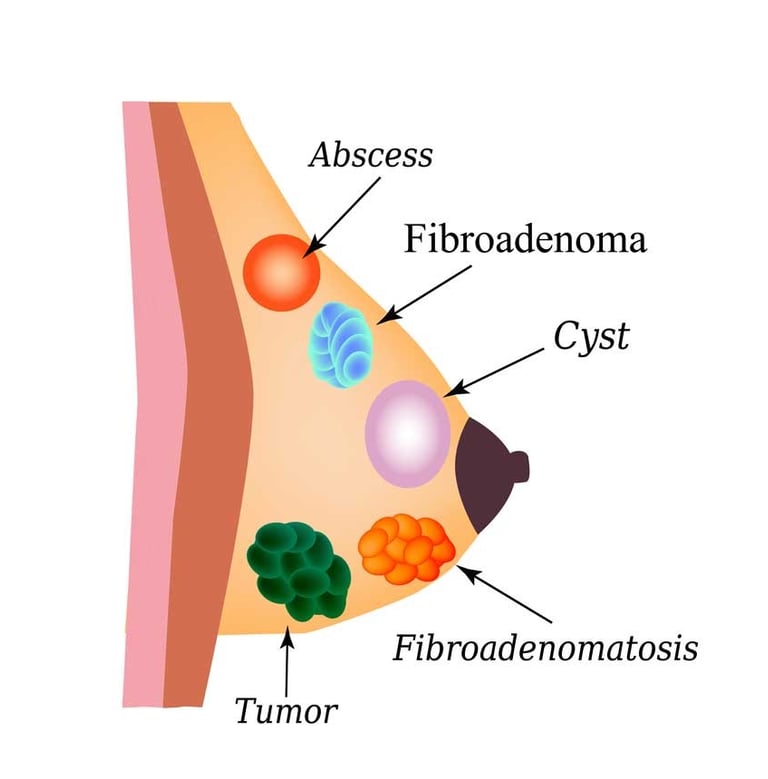
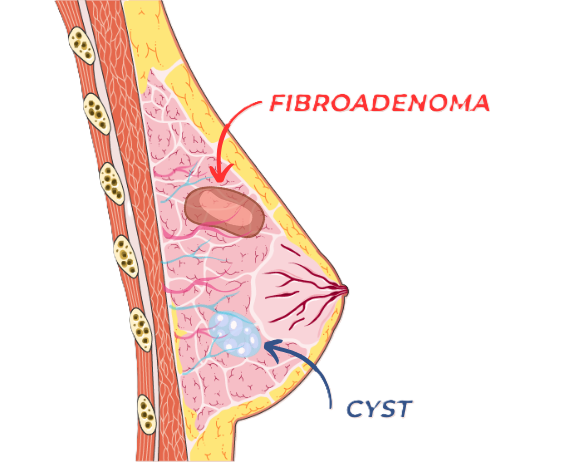
Benign Breast Diseases
Benign breast disease makes patients more prone to getting breast lumps. It may be scary to find a breast lump, but these changes do not result in breast cancer. These breast changes are termed as benign.
Breast cysts –Breast lumps are fluid-filled cysts that are lumpy and tender.
Fibroadenomas–These are solid breast tumours found in women aged between 15 to 35.
Fibrocystic breast changes–These changes fluctuate the hormone levels making breasts denser.
Hyperplasia–An overgrowth of cells that line mammary glands.
Intraductal papilloma–This condition results in nipple discharge.
Mammary duct ectasia–This condition causes an inverted nipple when swollen milk ducts are blocked.
Traumatic fat necrosis–These lumps are formed when breast tissues are replaced by scar tissues.
Gynecomastia- Hypertrophy of male breast leading to enlarged breast.
Phyllodes tumor- Could be benign or Malignant.
Treatment includes Excision biopsy.
Breast cancer
Breast cancer is a disease where cells in the breast grow uncontrollably, often forming tumors, with symptoms including new lumps, skin changes, or nipple discharge. Primarily affecting women, it is diagnosed via mammograms, ultrasounds, and biopsies.
Types & Staging: Breast cancer can be non-invasive (e.g., Ductal Carcinoma In Situ - DCIS) or invasive. Staging, often done using the TNM system, ranges from early stage (confined to breast) to locally advanced (spread to nearby tissues) and advanced/metastatic (spread to other organs).
Treatments include surgery, radiation, chemotherapy, and hormone therapies, with high survival rates for early detection.
Breast Infections
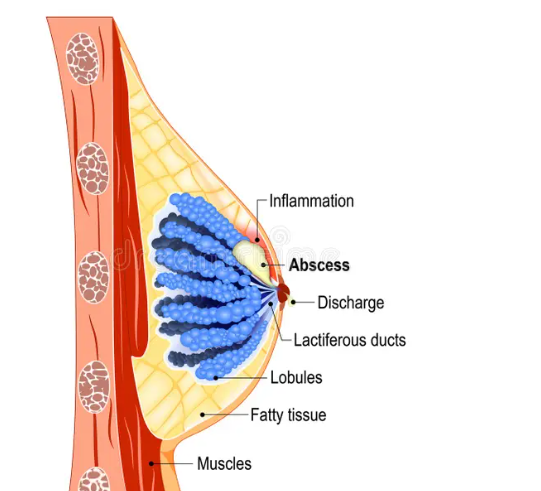
A breast infection, or mastitis, is an inflammation of breast tissue often caused by bacteria entering through nipple cracks, common during breastfeeding. It causes sudden fever, pain, swelling, and redness. Treatment involves antibiotics and continued nursing or pumping to empty the breast. Immediate care prevents abscesses.
A breast abscess is a painful collection of pus within the breast, usually caused by untreated bacterial infection (mastitis), commonly affecting breastfeeding women. Symptoms include a hard, red, warm, and painful lump, often with fever. Treatment involves antibiotics and ultrasound-guided needle aspiration or surgical drainage, usually resolving in 2-3 weeks.
Mammary duct ectasia is a noncancerous condition where milk ducts under the nipple widen, thicken, and become blocked, causing inflammation. Common symptoms include nipple discharge, pain, tenderness, and sometimes nipple inversion. It typically affects perimenopausal women, is usually harmless, and often resolves on its own.
While low-risk, some untreated benign conditions—specifically atypical hyperplasia—can increase future breast cancer risk.
If breast cancer is left untreated, it generally grows, invades surrounding tissue, and spreads (metastasizes) to other parts of the body, such as the lymph nodes, bones, liver, lungs, or brain. This usually results in progressive, fatal disease, with historical studies showing a median survival time of roughly 2–3 years.